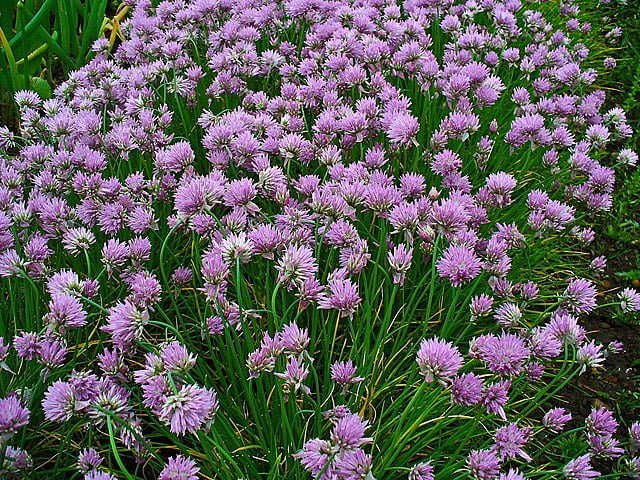
Chives (Allium schoenoprasum) are one of the easiest—and most versatile—herbs to grow in home gardens. With their delicate, grass-like leaves and mild onion flavour, chives add a vibrant pop of colour and zest to everything from scrambled eggs to creamy soups. Native to Europe and Asia, they’ve been cultivated for centuries not only for culinary use but also for their ornamental appeal: in spring, rounded purple blossoms crown the foliage, attracting pollinators.
Whether you’re a seasoned gardener or a complete beginner, chives are a fantastic entry point into herb cultivation. They’re hardy perennials suited to a wide range of climates, requiring minimal space and care. In this article, we’ll explore everything you need to know—from selecting the best planting site to harvesting, storage, and creative ways to enjoy this kitchen staple all year round.
Understanding Chives
Chives (Allium schoenoprasum) belong to the same family as onions, garlic, leeks, and shallots (Amaryllidaceae). They’re herbaceous perennials prized both for their edible, hollow leaves and their ornamental globe-shaped blossoms. Clumping in habit, chives form tight tufts that reach about 12–18 inches tall and 8–12 inches wide, dying back in winter and resprouting each spring in USDA zones 3–9.
Key Characteristics
Leaves: Slender, hollow, grass-like tubes; dark green and 6–12 inches long
Flowers: Rounded clusters (umbels) of star-shaped blooms, most commonly purple but also white or yellow in some varieties
Flavour Profile: Mild oniony taste—more delicate than scallions or green onions
Hardiness & Habit: Cold-tolerant perennial; forms clumps that benefit from division every 2–3 years
Variety
Leaf Type
Flower Colour
Notes
Common Chives
Hollow, tubular
Lavender-purple
The classic kitchen chive; best all-purpose variety
Garlic Chives (A. tuberosum)
Flat, strap-like
White
Milder garlic flavour; sturdy flat leaves for stir-fries
Persian Onion Chives
Flat, wider
Yellow
Ornamental appeal; subtle onion flavour
‘Purple Sensation’
Hollow
Deep purple
Intensely coloured blooms; great for cut-flower use
‘Blue Pearl’
Hollow
Lavender-blue
Compact habit; abundant flowering
Each variety brings its own ornamental and culinary flair. Common chives are the go-to for everyday cooking and decorative purple blooms, while garlic and Persian onion chives offer interesting leaf textures and subtle flavour nuances. Ornamental cultivars like ‘Purple Sensation’ or ‘Blue Pearl’ elevate garden beds and containers with vivid flower displays.
Preparing for Planting
Site Selection
Sunlight: Choose a spot that receives at least 6 hours of direct sun daily. Chives tolerate light shade (e.g., morning sun + afternoon shade) but will be less vigorous.
Air Circulation: Good airflow reduces the risk of fungal diseases. Avoid overly crowded beds or areas against walls with poor ventilation.
Spacing: Allow 20–25 cm (8–10 in) between clumps so air and light circulate freely, and you can harvest without trampling neighboring plants.
Soil Preparation
Drainage: Chives dislike waterlogged soil. Ensure raised beds or gently sloping ground so excess water drains away.
Soil Texture: Aim for a loamy mixture: ~40 % sand, 40 % silt, 20 % clay. Heavy clay soils benefit from adding coarse sand or fine gravel to improve drainage.
Fertility & pH:
pH: 6.0–7.0 is ideal. Test with a simple soil kit and amend with lime (to raise pH) or elemental sulfur (to lower pH) if needed.
Organic Matter: Incorporate 5–10 cm (2–4 in) of well-rotted compost or aged manure into the top 15 cm (6 in) before planting to boost nutrients and moisture retention.
Planting Chives
Sowing Seeds: Sow chive seeds indoors around 8 to 10 weeks before the last spring frost. Plant the seeds ¼ inch deep in seed-starting mix, then transplant outdoors after the danger of frost has passed.
Dividing Clumps: Alternatively, chives can be propagated by dividing mature clumps in the spring or fall. Replant these divisions 8 to 12 inches apart.
Planting Methods
A. Seeds
Timing: Sow outdoors in spring once soil has warmed above 10 °C (50 °F), or start indoors 6–8 weeks earlier.
Sowing:
Sprinkle seeds thinly in rows 30 cm (12 in) apart.
Cover lightly with 0.5 cm (¼ in) of soil.
Germination: Expect 14–21 days; keep soil consistently moist but not soggy.
Thinning: When seedlings are 5–7 cm (2–3 in) tall, thin to 20–25 cm (8–10 in) apart so each plant has room to clump up.
B. Divisions (Recommended for Faster Establishment)
Best Time: Early spring (just as new shoots emerge) or early fall (6–8 weeks before first frost).
Method:
Dig up an established clump.
Gently pull or cut into smaller sections containing 3–5 shoots each.
Replant divisions at the same depth they were growing, spacing each 20–25 cm (8–10 in) apart.
First Season Yield: Divisions establish quickly and can be harvested lightly within 4–6 weeks.
Watering & Fertilizing
Watering:
Aim for about 2.5 cm (1 in) of water per week—rainfall plus irrigation.
In dry spells, water at the base of the plants early in the morning to reduce evaporation and disease risk.
Fertilizing:
Early Spring: Apply a balanced granular fertilizer (e.g., 10-10-10 NPK) at half the recommended rate to jump-start growth.
Mid-Season: Side-dress with compost or a light application of balanced fertilizer once more after the first hard harvest in late spring.
Avoid Over-Fertilizing: Excess nitrogen can lead to lush foliage but weaker flavour and reduced flowering.
Caring for Chives
Watering: Keep the soil consistently moist, watering at the base of the plant to prevent moulding or mildew.
Fertilizing: Apply a balanced, slow-release fertilizer at planting time, then side-dress with compost annually to supply necessary nutrients.
Pruning: Regularly harvest or trim your chives to encourage bushier growth. Also, remove the flowers after they bloom to promote more leaf production.
Harvesting Chives
Chives can be harvested as soon as the leaves are long enough to clip and still leave some leaves behind (about 6 inches). Use scissors to cut the leaves down to the base, about 1-2 inches above the soil.
Frequently Asked Questions (FAQs) About Chives
Water chives regularly, about once or twice per week, ensuring the soil remains moist but not waterlogged.
Yes, chives can tolerate partial shade but grow best in full sun, ideally receiving 6-8 hours of sunlight daily.
Harvest chives once they reach about 6 inches tall. Regular harvesting promotes continued growth throughout the season.
Fresh chives can be refrigerated wrapped in a damp paper towel inside a plastic bag, or frozen by chopping and placing in an airtight container.
Yes, chives naturally deter pests like aphids, making them excellent companion plants for vegetables such as tomatoes, carrots, and roses.
Absolutely! Chive flowers are edible, offering a mild onion flavour. They’re commonly used fresh in salads, soups, or as garnish.
Yes, chives thrive indoors on a sunny windowsill, making them a perfect kitchen herb.
Chive Growing Tips & FAQ
Chive Growing Tips
Choose the Right Site Plant chives in full sun (at least 6 hours/day) or very light shade. They tolerate partial shade but yield fewer, thinner leaves.
Soil Preparation Use well-draining soil enriched with compost or aged manure. Aim for a pH between 6.0 and 7.0 for best growth.
Watering Keep soil evenly moist—about 1 inch of water per week. Avoid waterlogging: soggy soil can lead to root rot.
Feeding Side-dress with a balanced granular fertilizer in early spring and midsummer to encourage vigorous regrowth.
Harvesting Snip leaves at the base when they reach 6–8 inches. Harvest regularly (every 7–10 days) to keep plants productive.
Dividing Clumps Every 2–3 years, dig up and divide overcrowded clumps in spring or fall to rejuvenate plants.
Pest & Disease Watch Chives are generally pest-resistant, but watch for onion thrips and fungal leaf spots. Remove affected foliage and ensure good air circulation.
With their simple care requirements, aesthetic appeal, and culinary uses, chives are an excellent addition to your garden. Their fresh, onion-like flavour pairs well with numerous dishes, from omelettes to salads to baked potatoes, ensuring your garden-to-table meals will always be a hit!
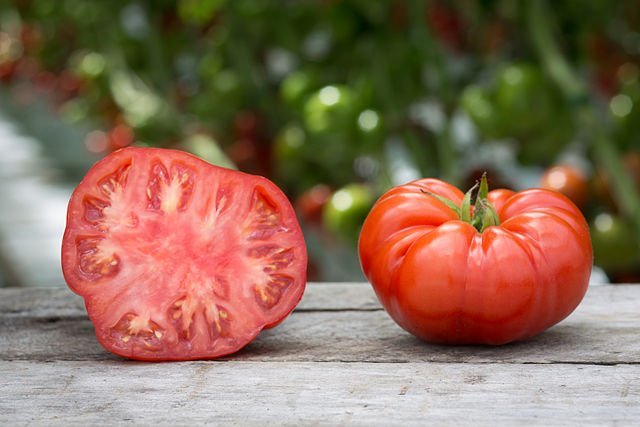
Beefsteak tomatoes are prized for their size, texture, and rich flavour, making them a popular choice for gardeners and food enthusiasts. Varieties like ‘Brandywine’ and ‘Big Beef’ offer diverse options. Starting from seed, transplanting, and caring for them requires attention to watering, fertilizing, and providing support. Vigilance against pests and diseases ensures a rewarding harvest.
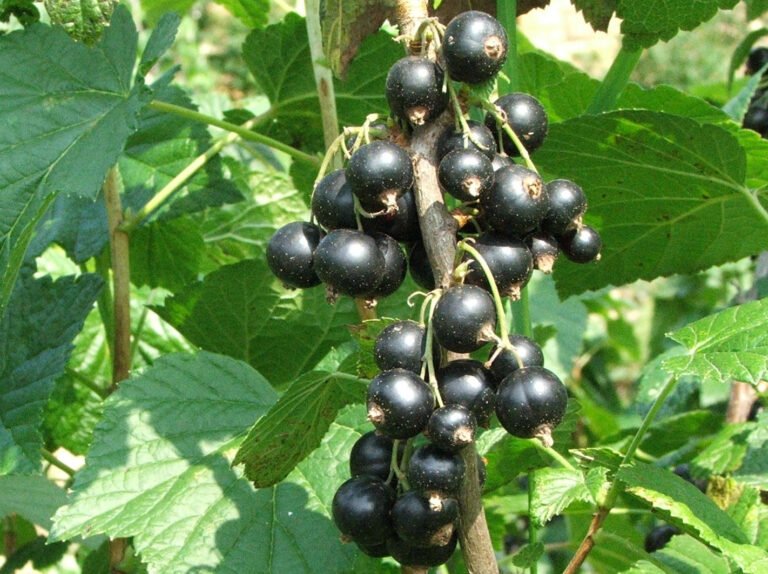
Unlock the secret to a bountiful harvest with our guide on growing black currants. From site selection to harvesting, we walk you through every step of the journey to vibrant, flavourful berries.
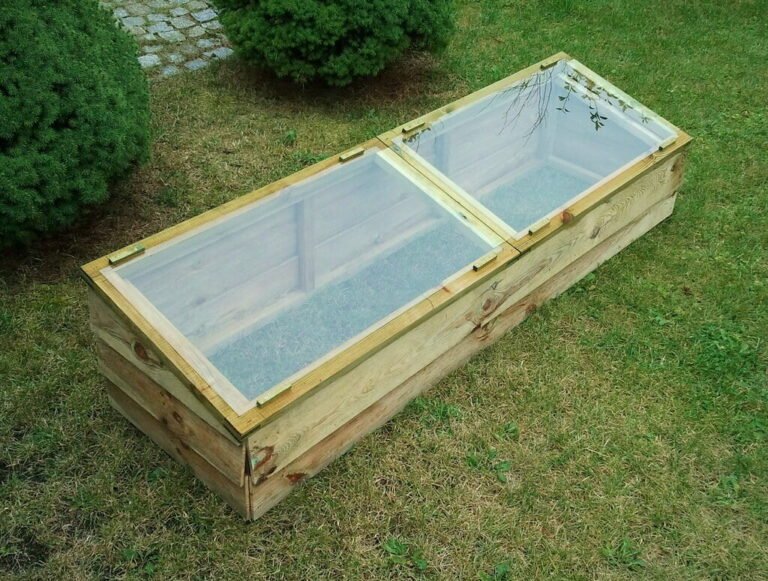
Discover the benefits of using cold frames in your garden. Learn how to build, use, and maintain these simple structures to extend your growing season, protect your plants, and optimize your harvest.
Dive into the world of jade plants. Learn about their care, propagation, and the common issues that can arise. Embrace these elegant houseplants and invite prosperity into your home.
Discover the secrets to successfully growing and harvesting cayenne peppers with our comprehensive guide. Learn everything from selecting the right varieties to planting, care, pest management, and enjoying the spicy harvest in your dishes.
Explore our comprehensive guide to growing tomatoes, covering everything from planting to harvest, care tips, pest management, and delicious recipes. Dive into the world of tomato gardening and enjoy the fruits of your labour.